ลองค้นหาคำในรูปแบบอื่น ๆ เพื่อให้ได้ผลลัพธ์มากขึ้นหรือน้อยลง: -ara-, *ara*
Possible hiragana form: あら |
มีผลลัพธ์ที่ไม่แสดงผลอยู่ | carambola | (n) มะเฟือง | | advance payment guarantee | (n) หนังสือสัญญาค้ำประกันการรับเงินล่วงหน้า | | marathon | (n, vt) การวิ่งแข่งมาราธอน (วิ่งนาน ต้องใช้ความอดทน) | | guarantor | (n) ผู้ค้ำประกัน | | appearance | (n) ลักษณะภายนอก, การปรากฏตัว | | clearance | (n) การทำให้หมดไป, การกวาดล้าง, Syn. removal | | united arab emirates | (n) สหรัฐอาหรับเอมิเรตส์ | | paramedic | (n) หน่วยกู้ชีพ เช่น Ottawa citizens deserve optimum healthcare, so the Paramedic Service hires only the best paramedics and provides them with the most sophisticated programs. | | carambola | (n) มะเฟือง ผลไม้ไทยชนิดหนึ่ง ผลเป็น 5 แฉก มีทั้งพันธุ์หวาน และเปรี้ยว, Syn. starfruit
Image: 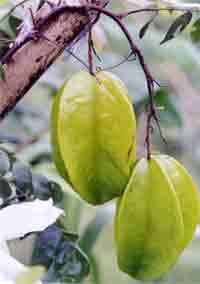 | | harassment | (n) การข่มขู่, การทำให้ตื่นตระหนก เช่น Sexual harassment can present serious problems for a business owner. In addition to creating tension in the workplace and potential friction between employees, it can significantly cost you if an employee decides you haven't done enough to prevent it. |
| |
| | | arab | (แอร'รับ) n. คนอาหรับ, คนพเนจร, ม้าอาหรับ (inhabiting Arabia) | | arabesque | (อาระเบสค') n. เครื่องประดับที่ใช้ไม้ดอกไม้ประดับเป็นลวดลาย, ลายแบบอาหรับ, ดนตรีลีลาแบบอาหรับ. -adj. ลวดลาย, ประณีต, พิสดาร | | arabia | (อะเร'เบีย) n. แหลมอาระเบียของเอเชียตะวันตกเฉียงใต้ (a peninsula in SW Asia) | | arabian | (อะเร'เบียน) adj. เกี่ยวกับ Arabia เกี่ยวกับอาหรับ. -n. ชาวอาหรับ | | arabic | (อา'ราบิค) adj. เกี่ยวกับอาหรับหรืออาระเบีย. -n. ภาษาอาหรับ (of Arabia) | | arabic numerals | เลข 1, 2, 3, 4, 5, 6, 7, 8, 9, 0., Syn. Arabic figures | | arabinose | (อะแร'บิโนส) n. คาร์โบไอเดรทที่ใช้เป็นอาหารเพาะเชื้อโรค. -arabinosic adj. | | arabist | (อา'ราบิสทฺ) n. ผู้เชี่ยวชาญภาษาหรือวัฒนธรรมของอาหรับ (expert on Arabia) | | arable | (อา'ระเบิล) adj. เหมาะแก่การเพาะปลูก. | | araby | (อา'ระบี) = Arabia |
| | Arab | (n) แขกอาหรับ | | Arabic | (adj) เกี่ยวกับชาวอาหรับ | | Arabic | (n) ภาษาอาหรับ, ตัวอาราบิค | | arable | (adj) ซึ่งเหมาะแก่การเพาะปลูก | | amaranth | (n) ดอกบานไม่รู้โรย, สีม่วงแดง | | amaranthine | (adj) ไม่รู้โรย, อมร, ไม่รู้จบ | | apparatus | (n) อุปกรณ์, เครื่องมือ, เครื่องใช้ | | appearance | (n) การปรากฏ, รูปโฉมภายนอก, รูปร่าง | | asparagus | (n) หน่อไม้ฝรั่ง | | caramel | (n) กาละแม, น้ำตาลไหม้, ขนมหวาน |
| | | | Aradia | [อาราเดีย] (name) ชื่อของบุตรีแห่งเทวีไดอาน่า ถูกนำมาเรียกขาลโดยแม่มดชาวอิตตารี แต่โดยทั่วไปแล้ว ยังคงใช้ในหลายธรรมเนียมจวบจนทุกวันนี้ |
| | เลขอารบิค | (n) Arabic numerals, Syn. เลขฝรั่ง, Example: ผู้แต่งคนนี้จะไม่ใช้เลขอารบิคในงานเขียนของเขาเลย, Thai Definition: ตัวเลขแบบอาหรับ ซึ่งเป็นเครื่องหมายที่ชาวอาหรับคิดค้นขึ้นใช้แทนจำนวนจริง | | อาหรับราตรี | (n) Arabian Nights, Syn. นิทานอาหรับราตรี, Example: หนังสือพิมพ์ Bangkok Recorder ได้ลงเรื่องทศชาติคู่ไปกับเรื่องอาหรับราตรี และนิทานอีสป | | บุหงามลาซอ | (n) Arabian jusmine, See also: Jasminum sambac, Syn. มะลิลา, ดอกมะลิลา, Notes: (ชวา) | | มะลิลา | (n) Arabian jasmine, See also: Jasminum sambac, Syn. บุหงามลาซอ, Example: ยายเดินขึ้นจากท่าน้ำ ไม่ลืมที่จะตักน้ำมาด้วยขันบาตรรดน้ำมะลิลาที่หัวกระได, Thai Definition: มะลิดอกเล็ก, Notes: (ชวา) |
| | แอ๊บแบ๊ว | [aēp-baēo] (v) EN: make oneself look younger ; present an innocent demeanour FR: vouloir paraître jeune ; se donner des allures d'adolescent | | แอ๊ด คาราบาว | [Aēt Khārābāo] (n, prop) EN: Ad Carabao (Yuenyong Opakul) FR: Ad Carabao (Yuenyong Opakul) | | ไอ้ | [ai] (x) EN: fellow ; guy ; you FR: camarade [ m ] | | อาย | [āi] (v) EN: be shy ; be ashamed ; be timid ; be bashful ; be embarrassed FR: être timide ; être honteux ; être confus ; être gêné ; être embarassé | | อักขระ | [akkhara] (n) EN: character ; letter ; alphabet ; ideograph ; hieroglyph ; script FR: lettre [ f ] ; caractère [ m ] ; idéogramme [ m ] | | อักษร | [aksøn] (n) EN: letter (of alphabet) ; alphabet FR: lettre (de l'alphabet) [ f ] ; consonne [ f ] ; caractère (alphabétique) [ m ] ; alphabet [ m ] | | อัมพาต | [ammaphāt] (n) EN: paralysis ; disability ; palsy FR: paralysie [ f ] ; apoplexie [ f ] | | อำเภออรัญประเทศ | [Amphoē Aranyaprathēt] (n, prop) EN: Amphoe Aranyaprathet ; Aranyaprathet ; Aran (inf.) FR: Amphoe Aranyaprathet ; Aranyaprathet ; Aran (inf.) | | อาณาจักรทวาราวดี | [Ānājak Thawārāwadī] (n, prop) EN: Dhavaravati Kingdom | | อานันท์ ปันยารชุน | [Ānān Panyārachun] (n, prop) EN: Anand Panyarachun FR: Anand Panyarachun |
| | | | | | ara | (n) a constellation in the southern hemisphere near Telescopium and Norma | | ara | (n) macaws, Syn. genus Ara | | arab | (n) a member of a Semitic people originally from the Arabian peninsula and surrounding territories who speaks Arabic and who inhabits much of the Middle East and northern Africa, Syn. Arabian | | arabesque | (n) position in which the dancer has one leg raised behind and arms outstretched in a conventional pose | | arabesque | (n) an ornament that interlaces simulated foliage in an intricate design | | arabian | (n) a spirited graceful and intelligent riding horse native to Arabia, Syn. Arab | | arabian | (adj) relating to or associated with Arabia or its people, Example: Arabian Nights; Arabian Sea | | arabian | (adj) of or relating to Arabian horses | | arabian camel | (n) one-humped camel of the hot deserts of northern Africa and southwestern Asia, Syn. dromedary, Camelus dromedarius | | arabian coffee | (n) shrubby tree of northeastern tropical Africa widely cultivated in tropical or near tropical regions for its seed which form most of the commercial coffee, Syn. Coffea arabica |
| | Ara | ‖n. [ Native Indian name. ] (Zool.) A name of the great blue and yellow macaw (Ara ararauna), native of South America. [ 1913 Webster ] | | Ara | ‖n. [ L. ] (Astron.) The Altar; a southern constellation, south of the tail of the Scorpion. [ 1913 Webster ] | | Arab | n. [ Prob. ultimately fr. Heb. arabah a desert, the name employed, in the Old Testament, to denote the valley of the Jordan and Dead Sea. Ar. Arab, Heb. arabi, arbi, arbim: cf. F. Arabe, L. Arabs, Gr. &unr_;. ] One of a swarthy race occupying Arabia, and numerous in Syria, Northern Africa, etc. [ 1913 Webster ]
Street Arab, a homeless vagabond in the streets of a city, particularly and outcast boy or girl. Tylor. [ 1913 Webster ] The ragged outcasts and street Arabs who are shivering in damp doorways. Lond. Sat. Rev. [ 1913 Webster ]
| | Araba | ‖n. [ Written also aroba and arba. ] [ Ar. or Turk. 'arabah: cf. Russ. arba. ] A wagon or cart, usually heavy and without springs, and often covered. [ Oriental ] [ 1913 Webster ] The araba of the Turks has its sides of latticework to admit the air Balfour (Cyc. of India). [ Webster 1913 Suppl. ] | | Arabesque | a. 1. Arabian. [ Obs. ] [ 1913 Webster ] 2. Relating to, or exhibiting, the style of ornament called arabesque; as, arabesque frescoes. [ 1913 Webster ] | | Arabesque | n. [ F. arabesque, fr. It. arabesco, fr. Arabo Arab. ] A style of ornamentation either painted, inlaid, or carved in low relief. It consists of a pattern in which plants, fruits, foliage, etc., as well as figures of men and animals, real or imaginary, are fantastically interlaced or put together. [ 1913 Webster ] ☞ It was employed in Roman imperial ornamentation, and appeared, without the animal figures, in Moorish and Arabic decorative art. (See Moresque.) The arabesques of the Renaissance were founded on Greco-Roman work. [ 1913 Webster ] | | Arabesqued | a. Ornamented in the style of arabesques. [ 1913 Webster ] | | Arabian | n. A native of Arabia; an Arab. [ 1913 Webster ] | | Arabian | a. Of or pertaining to Arabia or its inhabitants. [ 1913 Webster ]
Arabian bird, the phenix. Shak. [ 1913 Webster ]
| | Arabic | a. [ L. Arabicus, fr. Arabia. ] Of or pertaining to Arabia or the Arabians. [ 1913 Webster ]
Arabic numerals or
figures, the nine digits, 1, 2, 3, etc., and the cipher 0. --
Gum arabic. See under Gum. [ 1913 Webster ]
|
| | 耕地 | [gēng dì, ㄍㄥ ㄉㄧˋ, 耕 地] arable land; to plow land #6,714 [Add to Longdo] | | 阿拉伯 | [Ā lā bó, ㄚ ㄌㄚ ㄅㄛˊ, 阿 拉 伯] Arabian; Arabic; Arab #11,264 [Add to Longdo] | | 阿拉伯人 | [Ā lā bó rén, ㄚ ㄌㄚ ㄅㄛˊ ㄖㄣˊ, 阿 拉 伯 人] Arab; Arabian; Arabian people #26,406 [Add to Longdo] | | 畴 | [chóu, ㄔㄡˊ, 畴 / 疇] arable fields; cultivated field; class; category #33,969 [Add to Longdo] | | 阿拉伯语 | [Ā lā bó yǔ, ㄚ ㄌㄚ ㄅㄛˊ ㄩˇ, 阿 拉 伯 语 / 阿 拉 伯 語] Arabic (language) #37,701 [Add to Longdo] | | 阿拉伯世界 | [Ā lā bó shì jiè, ㄚ ㄌㄚ ㄅㄛˊ ㄕˋ ㄐㄧㄝˋ, 阿 拉 伯 世 界] Arab world #42,590 [Add to Longdo] | | 阿拉伯数字 | [Ā lā bó shù zì, ㄚ ㄌㄚ ㄅㄛˊ ㄕㄨˋ ㄗˋ, 阿 拉 伯 数 字 / 阿 拉 伯 數 字] Arabic numerals #45,456 [Add to Longdo] | | 阿拉伯文 | [Ā lā bó wén, ㄚ ㄌㄚ ㄅㄛˊ ㄨㄣˊ, 阿 拉 伯 文] Arabic (language & writing) #60,172 [Add to Longdo] | | 阿拉伯国家联盟 | [Ā lā bó Guó jiā Lián méng, ㄚ ㄌㄚ ㄅㄛˊ ㄍㄨㄛˊ ㄐㄧㄚ ㄌㄧㄢˊ ㄇㄥˊ, 阿 拉 伯 国 家 联 盟 / 阿 拉 伯 國 家 聯 盟] Arab League, regional organization of Arab states in Southwest Asia, and North and Northeast Africa, officially called the League of Arab States #69,872 [Add to Longdo] | | 阿拉尔 | [Ā lā ěr, ㄚ ㄌㄚ ㄦˇ, 阿 拉 尔 / 阿 拉 爾] Aral shehiri (Aral city) or Ālā'ěr subprefecture level city in west Xinjiang) #73,653 [Add to Longdo] |
| | 争う | [あらそう, arasou] TH: แข่งขัน | | 争う | [あらそう, arasou] EN: to compete | | 争う | [あらそう, arasou] TH: โต้เถียง | | 争う | [あらそう, arasou] EN: to dispute | | 表わす | [あらわす, arawasu] TH: แสดงออกมา(โดยคำพูดหรือท่าทาง) | | 表わす | [あらわす, arawasu] EN: to express | | 予め | [あらかじめ, arakajime] TH: ทำไว้ล่วงหน้า | | 予め | [あらかじめ, arakajime] EN: in advance | | 洗う | [あらう, arau] TH: ล้าง | | 洗う | [あらう, arau] TH: เลิก | | 現す | [あらわす, arawasu] TH: แสดง | | 現す | [あらわす, arawasu] EN: to show | | 現す | [あらわす, arawasu] TH: ชี้ให้เห็น | | 現す | [あらわす, arawasu] EN: to indicate | | 改める | [あらためる, aratameru] TH: ปรับปรุงใหม่ | | 改める | [あらためる, aratameru] EN: to change | | 改める | [あらためる, aratameru] TH: แก้ไขใหม่ | | 改める | [あらためる, aratameru] EN: to revise |
| | を | [wo] (prt) (1) indicates direct object of action; (2) indicates subject of causative expression; (3) indicates an area traversed; (4) indicates time (period) over which action takes place; (5) indicates point of departure or separation of action; (6) (See が) indicates object of desire, like, hate, etc.; (P) #3 [Add to Longdo] | | から | [kara] (prt) (1) from (e.g. time, place, numerical quantity); since; (2) from (originator); (3) because; (4) out of (constituent, part); (5) through (e.g. window, vestibule); (6) after; since (following te-form verb); (P) #25 [Add to Longdo] | | 人 | [ひと, hito] (n) (1) man; person; (2) human being; mankind; people; (3) character; personality; (4) man of talent; true man; (5) other people; (6) adult; (P) #49 [Add to Longdo] | | 人物 | [じんぶつ, jinbutsu] (n) character; personality; person; man; personage; talented man; (P) #86 [Add to Longdo] | | 情報 | [じょうほう, jouhou] (n) (1) (See 秘密情報) news; gossip; (military) intelligence; (2) (See 情報インフラ) information (data contained in characters, signals, code, etc.); (P) #102 [Add to Longdo] | | なら(P);ならば(P) | [nara (P); naraba (P)] (aux) (1) (hypothetical form of the copula だ, from なり and sometimes classed as a particle) if; in case; if it is the case that; if it is true that; (2) (なら only) as for; on the topic of; (conj) (3) (col) (abbr) (See それなら) if that's the case; if so; that being the case; (4) (ならば only) if possible; if circumstances allow; (P) #141 [Add to Longdo] | | たら(P);ったら(P) | [tara (P); ttara (P)] (conj, prt) (1) indicates supposition; if ... then; when; after; (prt) (2) (usu. ったら) (typically after someone's name) indicates exasperation; (P) #149 [Add to Longdo] | | 新;更 | [さら;あら(新);にい(新), sara ; ara ( shin ); nii ( shin )] (n, adj-no) (1) (さら only) (arch) new (i.e. brand-new, never used); (pref) (2) new; (adj-na) (3) (更 only) obvious; natural #173 [Add to Longdo] | | 金 | [きん, kin] (n, n-suf) (1) gold; golden (color); metaphor for (most) valuable; gold (medal, cup); (2) money (written before an amount); (3) (abbr) (See 金曜) Friday; (4) (See 五行・1) metal (fourth of the five elements); (5) Jin (dynasty of China; 1115-1234 CE); (6) (abbr) (See 金将) gold general (shogi); (7) (abbr) (col) (See 金玉・きんたま) testicles; (suf, ctr) (8) karat; carat; (P) #176 [Add to Longdo] | | 局 | [つぼね, tsubone] (n) (1) court lady; lady-in-waiting (Heian period); (2) (See 曹司・1) separate room in a palace (esp. for a lady) (Heian period); (3) room for a very low class prostitute; (4) (See 局女郎) very low class prostitute #177 [Add to Longdo] |
| | アクセント付き文字 | [アクセントつきもじ, akusento tsukimoji] accented character [Add to Longdo] | | アラームプロファイル | [あらーむぷろふぁいる, ara-mupurofairu] alarm profile [Add to Longdo] | | アラームランプ | [あらーむらんぷ, ara-muranpu] alarm lamp [Add to Longdo] | | アラーム検出 | [アラームけんしゅつ, ara-mu kenshutsu] alarm detection [Add to Longdo] | | アラーム重要度 | [アラームじょうようど, ara-mu jouyoudo] alarm severity [Add to Longdo] | | インジケータランプ | [いんじけーたらんぷ, injike-taranpu] indicator light [Add to Longdo] | | エスケープ文字 | [エスケープもじ, esuke-pu moji] escape character (ESC) [Add to Longdo] | | エンハンストパラレルインタフェース | [えんはんすとぱられるいんたふぇーす, enhansutoparareruintafe-su] enhanced parallel interface [Add to Longdo] | | オーバラップ | [おーばらっぷ, o-barappu] overlap [Add to Longdo] | | オーバラン | [おーばらん, o-baran] overrun (vs) [Add to Longdo] |
| | | quarante | (numéro) สี่สิบ, 40 | | parapluie | (n) |m| ร่มกันฝน | | camarade | (n) |m ou f| เพื่อน ต่างจาก ami ตรงที่ camarade มักหมายถึง เพื่อนร่วมทีม, เพื่อนร่วมชั้นเรียน (camarade d'école หรือ camarade de classe) |
| | 荒い | [あらい] หยาบ หยาบคาย รุนแรง | | 嵐 | [あらし] พายุหมุน | | 争い | [あらそい] โต้เถียง, ขัดแย้ง, โต้แย้ง, ทะเลาะ | | 改めて | [あらためて] ใหม่อีกครั้ง | | 新た(な) | [あらた(な)] (adj) ใหม่, สด, See also: A. 古い、旧~, Syn. 新しい、新~ | | 霰 | [あられ] (n) ลูกเห็บ |
| | | | 争う | [あらそう, arasou] (sich) streiten, um_etwas_kaempfen [Add to Longdo] | | 唐草模様 | [からくさもよう, karakusamoyou] Arabeske [Add to Longdo] | | 改まる | [あらたまる, aratamaru] veraendert_werden, erneuert_werden [Add to Longdo] | | 改める | [あらためる, aratameru] aendern, reformieren [Add to Longdo] | | 新た | [あらた, arata] -neu [Add to Longdo] | | 洗い立てる | [あらいたてる, araitateru] herumstoebern, nachforschen, forschen [Add to Longdo] | | 洗う | [あらう, arau] waschen [Add to Longdo] | | 現す | [あらわす, arawasu] zeigen [Add to Longdo] | | 現れる | [あらわれる, arawareru] erscheinen [Add to Longdo] | | 粗い | [あらい, arai] -grob (Struktur, Material, Arbeit), -rauh (Oberflaeche) [Add to Longdo] |
|
เพิ่มคำศัพท์
ทราบความหมายของคำศัพท์นี้? กด [เพิ่มคำศัพท์] เพื่อใส่คำนี้พร้อมความหมาย เพื่อเป็นวิทยาทานแก่ผู้ใช้ท่านอื่น ๆ
Are you satisfied with the result?
Discussions | |
|