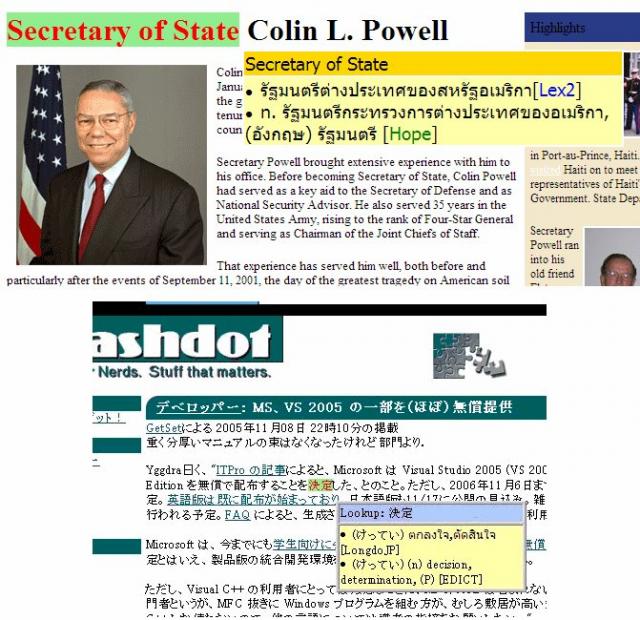
ลองค้นหาคำในรูปแบบอื่น ๆ เพื่อให้ได้ผลลัพธ์มากขึ้นหรือน้อยลง: -forero-, *forero*
Possible hiragana form: ふぉれろ |
| (เนื่องจากผลลัพธ์จากการค้นหา forero มีน้อย ระบบจึงเลือกคำใหม่ให้โดยอัตโนมัติ: forego) |
มีผลลัพธ์ที่ไม่แสดงผลอยู่ | |
| | | forego | (-โก') { forewent, foregone, foregoing, foregoes } vt. ดูforgo, See also: foregoer n. | | foregoing | (ฟอร์โก'อิง) adj. ไปก่อน, ก่อน, ซึ่งอยู่ก่อน, เกี่ยวกับอันก่อน, Syn. preceding |
| | forego | (vt) ยกเลิก, เลิก, ละทิ้ง, ทิ้ง, สลัด, จากไป | | foregoing | (adj) มาก่อน, ซึ่งอยู่ก่อน, เกี่ยวกับวันก่อน | | foregone | (adj) ทราบล่วงหน้า, รู้มาก่อนแล้ว |
| | foregoing | [ฟอร์-โก-อิ้ง] (n, adj) สิ่งที่กล่าวมาก่อนหน้านี้, ข้อความก่อนหน้านี้ มักใช้ว่า the foregoing (อาจจะใช้ในเชิงกฎหมาย) เช่น The foregoing shall not affect the obligation of any person to comply with the applicable provisions of laws. ถ้าเป็น adj. จะใช้เติมนำหน้านามเท่านั้น, See also: A. following |
| | สละสิทธิ์ | (v) give up one's right (e.g. to remain silent), See also: forego one's right/s, Example: ผู้ถือหุ้นของบริษัทพากันสละสิทธิ์และมอบอำนาจให้กรรมการบริษัทนำหุ้นไปจัดสรรให้ใครก็ได้, Thai Definition: ละทิ้งสิทธิ์ที่เป็นของตนไป | | สละสิทธิ์ | (v) give up one's right (e.g. to remain silent), See also: forego one's right/s, Example: ผู้ถือหุ้นของบริษัทพากันสละสิทธิ์และมอบอำนาจให้กรรมการบริษัทนำหุ้นไปจัดสรรให้ใครก็ได้, Thai Definition: ละทิ้งสิทธิ์ที่เป็นของตนไป |
| | กลาย | [klāi] (adj) EN: last ; previous ; prior ; preceding ; foregoing ; before FR: dernier ; précédent ; ancien | | มาตราก่อน | [māttrā køn] (n, exp) EN: foregoing section FR: partie précédente [ f ] | | ผลล่วงหน้า | [phon lūangnā] (n, exp) EN: foregone conclusion FR: résultat attendu [ m ] ; résultat escompté [ m ] |
| | | | | Forego | v. t. [ imp. Forewent 2; p. p. Foregone p. pr. & vb. n. Foregoing. ] [ See Forgo. ] 1. To quit; to relinquish; to leave. [ 1913 Webster ] Stay at the third cup, or forego the place. Herbert. [ 1913 Webster ] 2. To relinquish the enjoyment or advantage of; to give up; to resign; to renounce; -- said of a thing already enjoyed, or of one within reach, or anticipated. [ 1913 Webster ] All my patrimony,
If need be, I am ready to forego. Milton. [ 1913 Webster ] Thy lovers must their promised heaven forego. Keble. [ 1913 Webster ] [ He ] never forewent an opportunity of honest profit. R. L. Stevenson. [ 1913 Webster ] ☞ Forgo is the better spelling etymologically, but the word has been confused with Forego, to go before. [ 1913 Webster ] | | Forego | v. t. [ AS. foregān; fore + gān to go; akin to G. vorgehen to go before, precede. See Go, v. i. ] To go before; to precede; -- used especially in the present and past participles. [ 1913 Webster ] Pleasing remembrance of a thought foregone. Wordsworth. [ 1913 Webster ] For which the very mother's face forewent
The mother's special patience. Mrs. Browning. [ 1913 Webster ]
Foregone conclusion, a conclusion which has preceded argument or examination; a predetermined conclusion. [ 1913 Webster ]
| | Foregoer | n. 1. One who goes before another; a predecessor; hence, an ancestor; a progenitor. [ 1913 Webster ] 2. A purveyor of the king; -- so called, formerly, from going before to provide for his household. [ Obs. ] [ 1913 Webster ] | | Foregoer | n. [ Etymologically forgoer. ] One who forbears to enjoy. [ 1913 Webster ] | | foregone | adj. past; -- used of time; as, foregone summers. Contrassted to present.
Syn. -- bygone, bypast, departed, gone. [ WordNet 1.5 ] | | foregone conclusion | n. An inevitable outcome; a certain result; a certainty. [ PJC ] |
| | | | 以上(P);已上 | [いじょう, ijou] (n-adv, n-t) (1) (See 余・1) not less than; ... and more; ... and upwards; (2) beyond ... (e.g. one's means); further (e.g. nothing further to say); more than ... (e.g. cannot pay more than that); (3) above-mentioned; foregoing; (4) since ...; seeing that ...; (5) this is all; that is the end; the end; (P) #312 [Add to Longdo] | | 右 | [みぎ, migi] (n) (1) right; right hand side; (2) (See 右に同じ) afore-mentioned (esp. in vertical Japanese writing); foregoing; forgoing; above; (P) #729 [Add to Longdo] | | 上述 | [じょうじゅつ, joujutsu] (adj-no) above-mentioned; foregoing; forgoing #7,293 [Add to Longdo] | | 上文 | [じょうぶん, joubun] (n) the foregoing; the forgoing [Add to Longdo] | | 必至 | [ひっし, hisshi] (adj-na, adj-no) (1) inevitable; necessary; foregone; (n) (2) (See 必死) brinkmate (inevitable checkmate) (shogi); (P) [Add to Longdo] |
|
เพิ่มคำศัพท์
ทราบความหมายของคำศัพท์นี้? กด [เพิ่มคำศัพท์] เพื่อใส่คำนี้พร้อมความหมาย เพื่อเป็นวิทยาทานแก่ผู้ใช้ท่านอื่น ๆ
Are you satisfied with the result?
Discussions | |
|